NOCIF

Anti-Racism & Inclusion

Image
Image

Addressing the Northern Ontario Context

Demographic changes in Northern Ontario present distinct dynamics compared to large urban centers. Smaller urban hubs, mining communities, and remote towns often lack dedicated intercultural infrastructure. This can leave newcomers isolated and allow racial stereotypes to persist. NOCIF addresses these challenges through structured community programs that build empathy, educate the public on systemic bias, and create safe, welcoming spaces for intercultural exchange.

Core Programmatic Vectors

Public Education
and Civic Awareness

Developing community workshops, educational modules, and informational campaigns that highlight the history and contributions of diverse cultural groups in Northern Ontario.

Facilitated
Intercultural Dialogue

Creating structured forums where long-term residents, Indigenous community members, and newcomers can connect, discuss community challenges, and identify shared goals.

Anti-Discrimination
Policy Engagement

Partnering with local businesses, educational boards, and public organizations to review organizational policies, remove systemic barriers, and foster welcoming workplace and civic environments.

The Annual Khalsa Day Celebrations

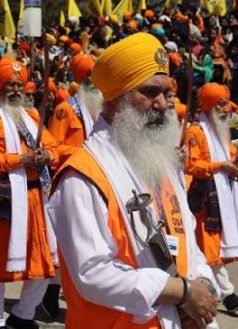
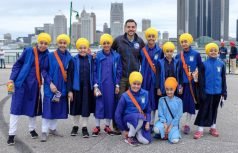
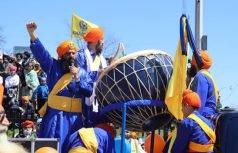
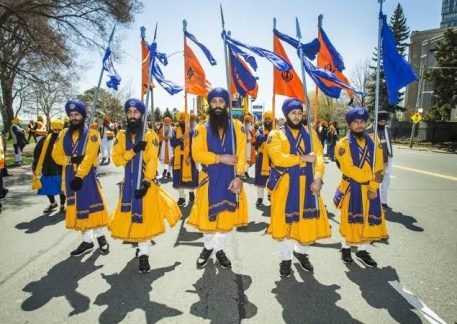
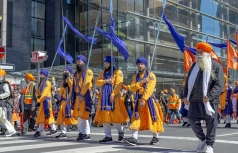
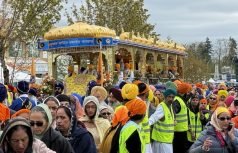
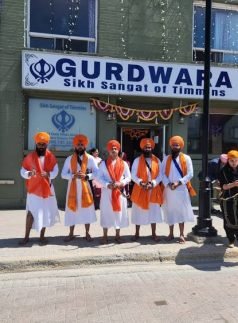
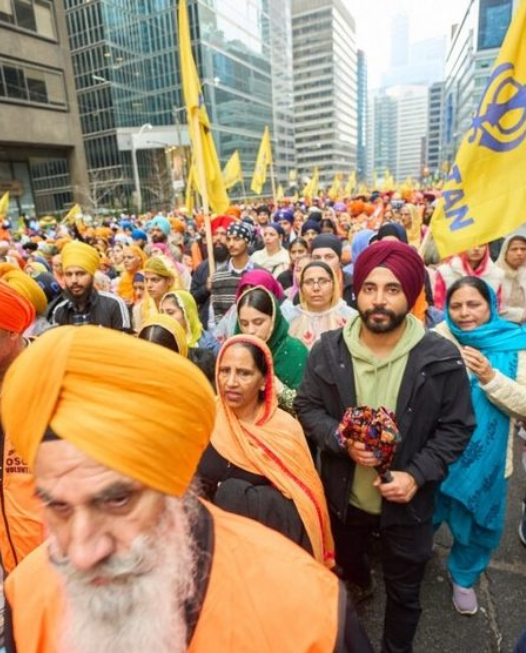
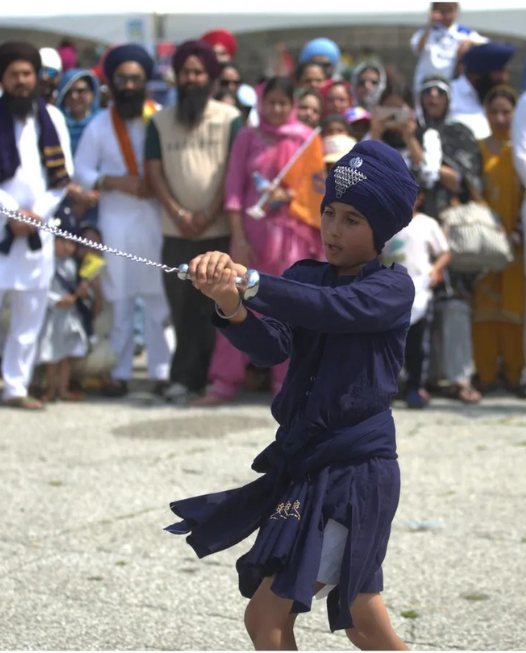
The foundation's multicultural strategy is demonstrated in events such as the Timmins Annual Khalsa Day Parade2. Supported by consecutive grants from Canadian Heritage’s Community Support, Multiculturalism, and Anti-Racism Initiatives Program ($40,000 in 2022 under Agreement 1349769; $15,000 in 2023 under Agreement 1359976), this initiative brings together diverse community members across the Cochrane District.
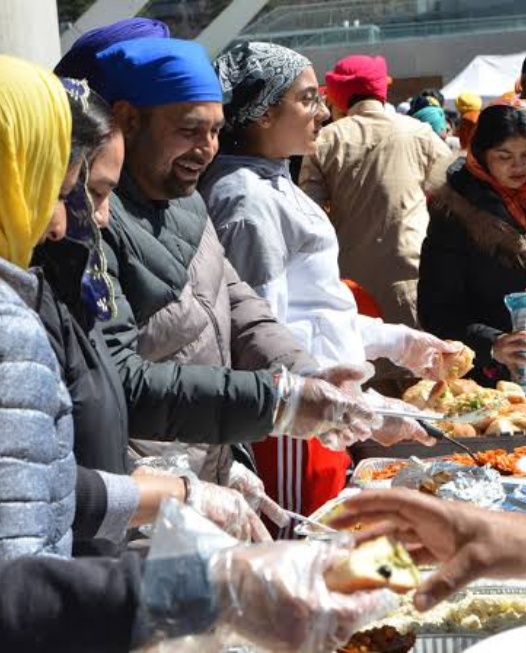
The event introduces Sikh heritage, history, and community service traditions (seva) to the broader public, demonstrating how visible cultural celebrations can build understanding, dispel misconceptions, and strengthen civic pride across Northern Ontario.

Annual Khalsa Day 1
Annual Khalsa Day 2
Annual Khalsa Day 4
Annual Khalsa Day 5
Annual Khalsa Day 6
Annual Khalsa Day 10
Annual Khalsa Day 3
img
img
img

“Cultural Celebrations”

• Large-scale public gatherings (e.g., Annual Khalsa Day Parade).
• Increased visibility, normalization, and public appreciation of diverse cultural traditions.

“Educational Forums”

• Interactive learning sessions focused on systemic bias and historical contributions.
• Improved cultural literacy among regional community leaders and service providers.

“Intercultural Arts & Food Initiatives”

• Shared creative, artisan, and culinary events bridging diverse populations.
• Reduced social isolation and stronger relational networks among participants.