Tourism in Northern Ontario has traditionally focused on outdoor wilderness recreation and eco-tourism. NOCIF broadens this focus by promoting cultural tourism - highlighting the region’s diverse cultural traditions, Indigenous heritage, and historical landmarks.
This approach turns cultural identity into an economic asset, generating visitor revenue that directly supports local independent businesses, artisans, and cultural operators.
Collaborating with local historical societies, ethnocultural groups, and arts collectives to develop cultural exhibits, heritage festivals, and community-guided tours that reflect the region's history.
Respectful Indigenous Heritage Partnerships
Working alongside First Nations and Métis communities to promote heritage initiatives that respect Indigenous sovereignty, traditions, and environmental stewardship, while preventing cultural exploitation.
Local Business and Supply Chain Integration
Connecting visitor itineraries with locally owned accommodations, restaurants, and artisan shops to ensure economic benefits remain within Northern Ontario communities.
Tourism Vector
Ethnocultural Festivals
Regional Cultural Asset
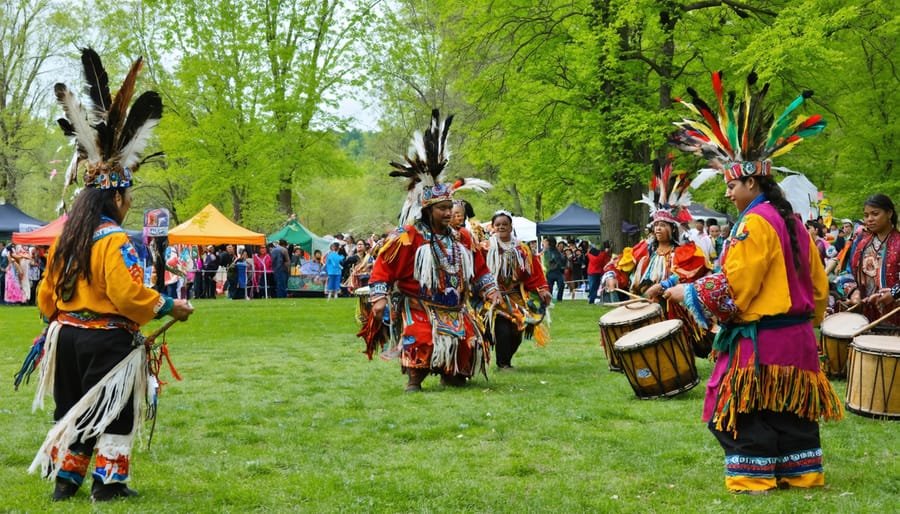
Regional events such as the Timmins Khalsa Day Parade, Indigenous Powwows, and Franco-Ontarian cultural festivals.
Local Economic Impact
Direct visitor spending for local hospitality, short-term lodging, food vendors, and retail shops.
Tourism Vector
Heritage & Historical Circuits
Regional Cultural Asset
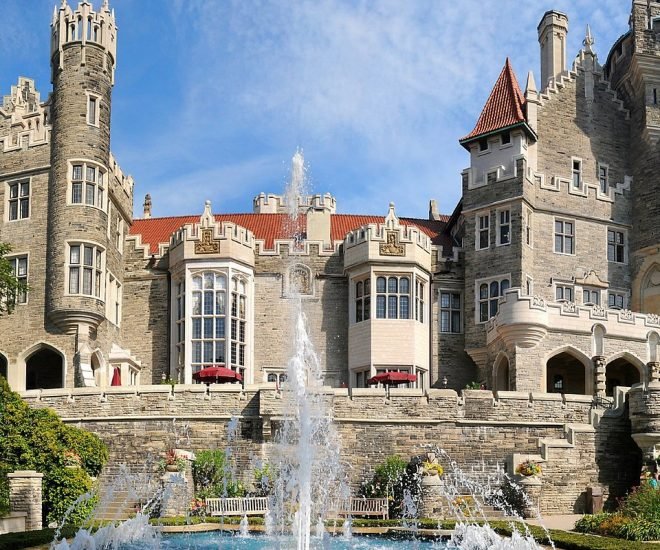
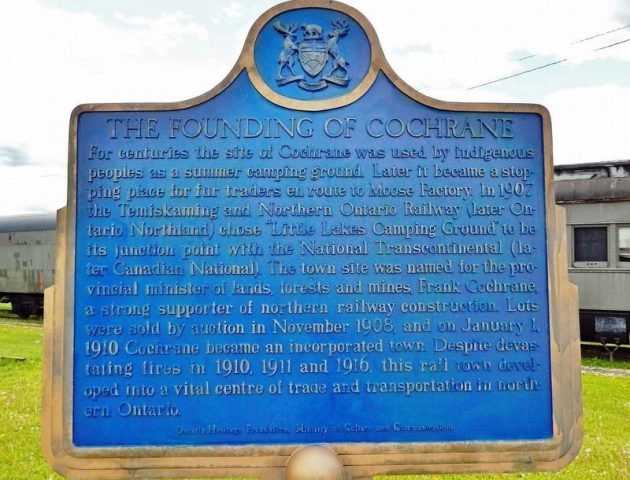
Regional mining heritage sites, lumbering history landmarks, and agricultural settlements across the Cochrane District.
Local Economic Impact
Longer visitor stays, increased museum attendance, and investment in regional heritage preservation.
Tourism Vector
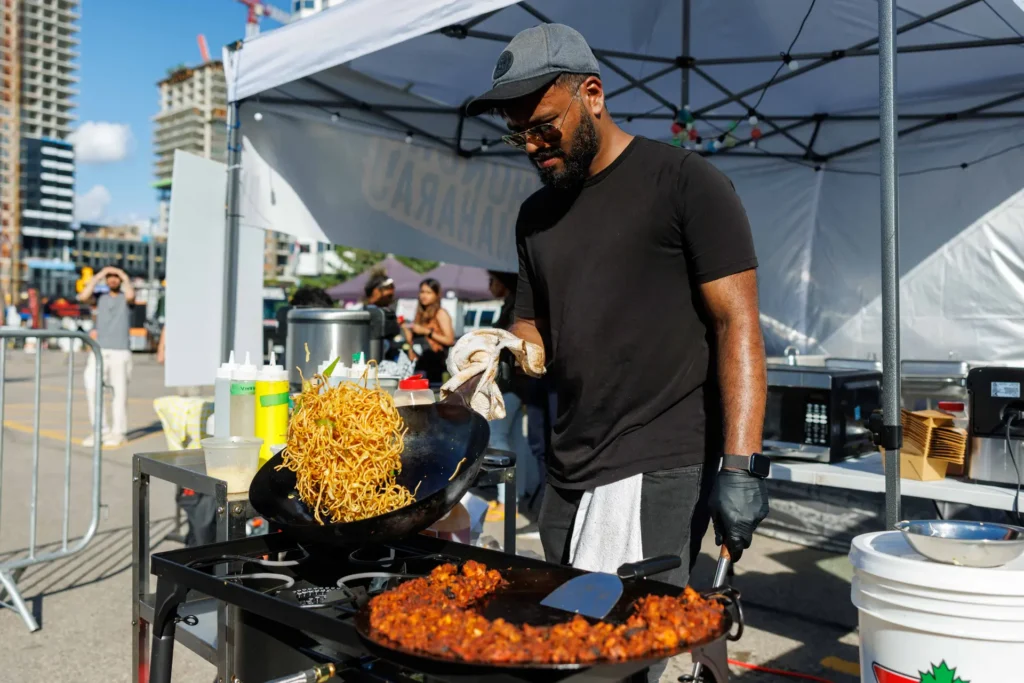
Culinary & Artisan Showcases
Regional Cultural Asset
Showcases featuring Northern culinary traditions, newcomer businesses, and local craft cooperatives.
Local Economic Impact
Direct retail sales and expanded market access for small-scale producers, artists, and food entrepreneurs.